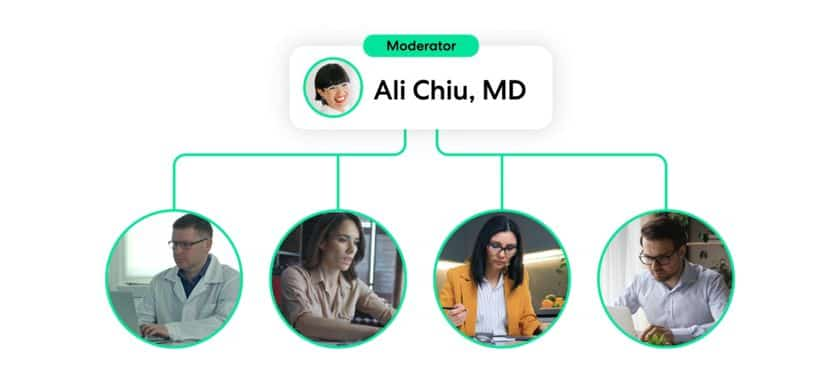
One of the reasons people and organizations are so eager to resume some aspects of pre-pandemic life is the undeniable impact of virtual fatigue. Studies prove that endless virtual interaction is mentally draining and results in diminishing returns. But even as in-person meetings and business travel resume, virtual meetings will remain – so how can your team use virtual work to be more effective?
Virtual meetings are simply transactions – a way to check in, to build or confirm consensus, and suited to the type of weekly meetings we’re all used to – but they don’t really support the kind of work that life science teams do on a day-to-day basis. By using asynchronous collaboration to account for work that happens on a continuum, you’ll get more done, with more relevant insights, and more data to guide your strategy.
This approach takes into account the varied and complex interactions that occur across the pharma and medical device product development lifecycle. As part of a more holistic view of insights management, asynchronous interactions can yield more in-depth discussions and insights that help drive business value.
To understand more about working more efficiently, watch the video.
Virtual Meetings vs Virtual Work from Within3 on Vimeo.